Start with the routes used every day
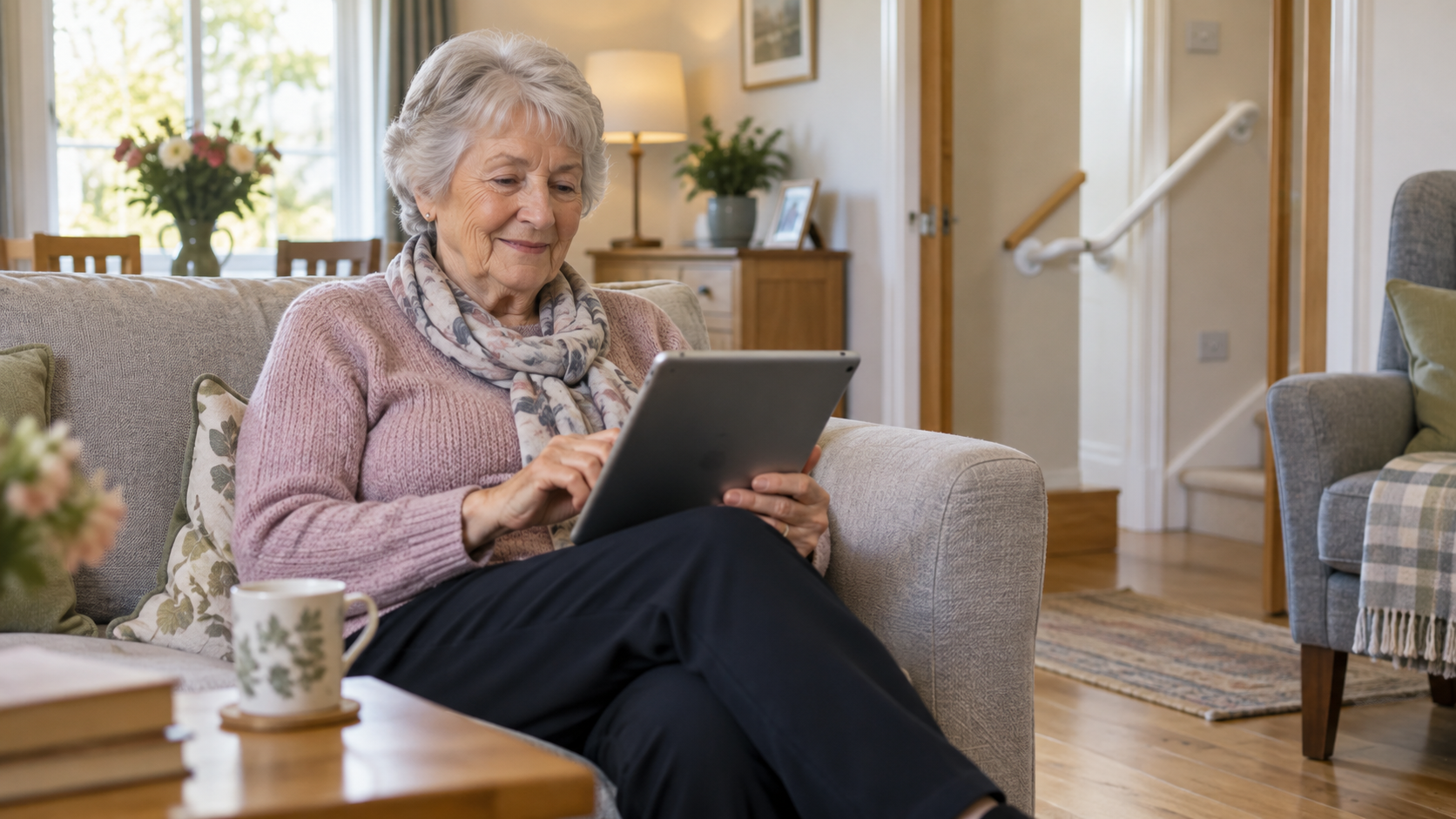
Look at the route from chair to kitchen, bedroom to bathroom and front door to the main living space. Those journeys matter more than making every part of the house equally accessible.
Create useful clear space
Moving a piece of furniture can sometimes improve access more than buying another aid. Aim for clear turning space where it is needed and avoid narrow pinch points around doors and corners.
Watch thresholds and loose flooring
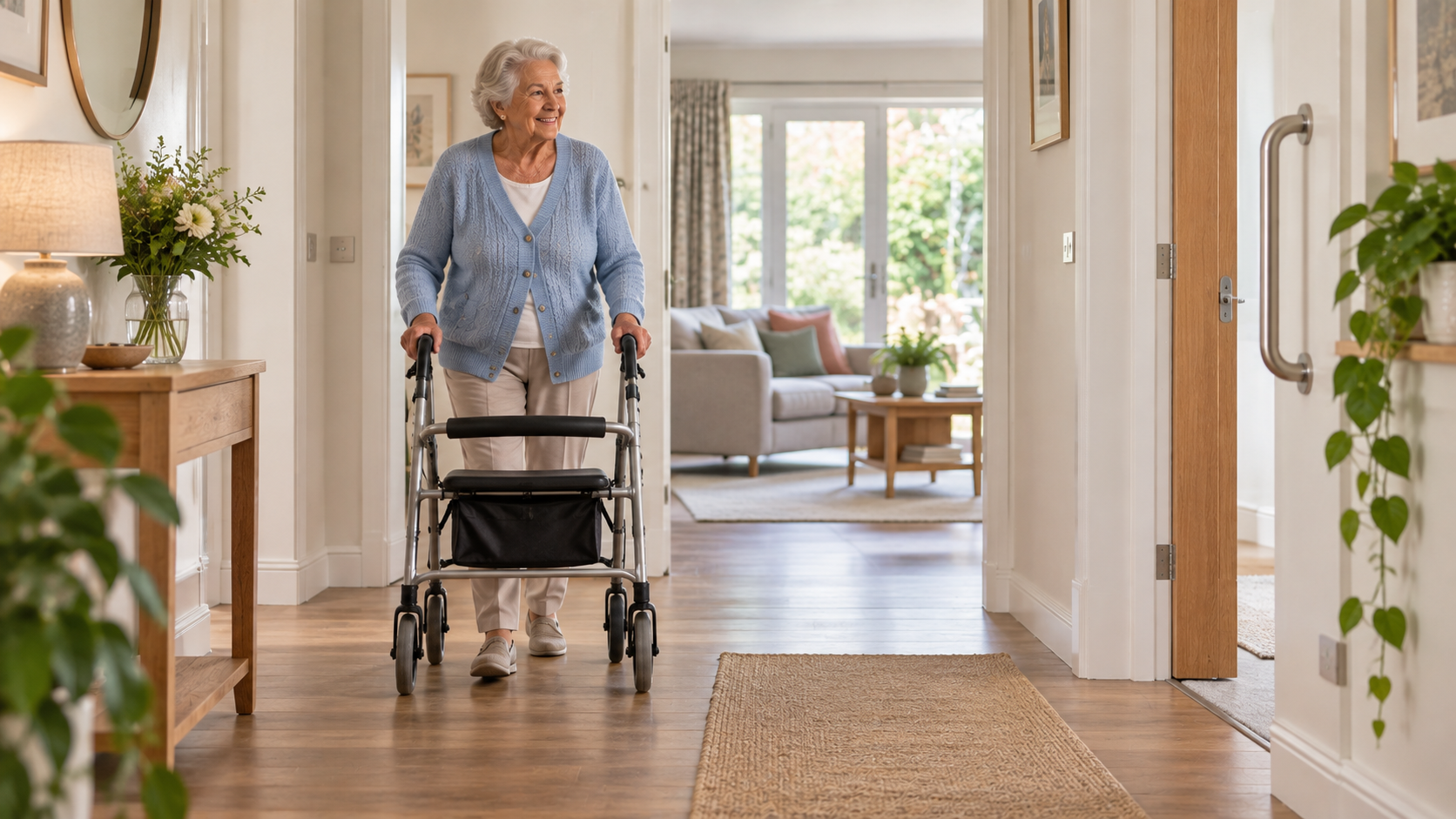
Raised strips, rugs and uneven flooring can catch walking frames and create trip risks. Changes need not be dramatic, but they should be secure and easy to maintain.
Doorways may be the limiting factor
Wheelchairs and some walkers need more clear width than older internal doors provide. There may be scope to alter hinges, change the door type or widen an opening, depending on the wall.
Keep controls within easy reach
Light switches, sockets, handles and frequently used storage can often be made easier to reach. This can reduce unnecessary bending, stretching and repeated trips around the room.